
Winter Salt Management

Safely maintain walkways and protect our local waters from permanent impairments by reducing salt use.

Shovel snow first. Clear walkways to prevent compaction of snow and the formation of ice. The more snow cleared manually, the less salt is needed.

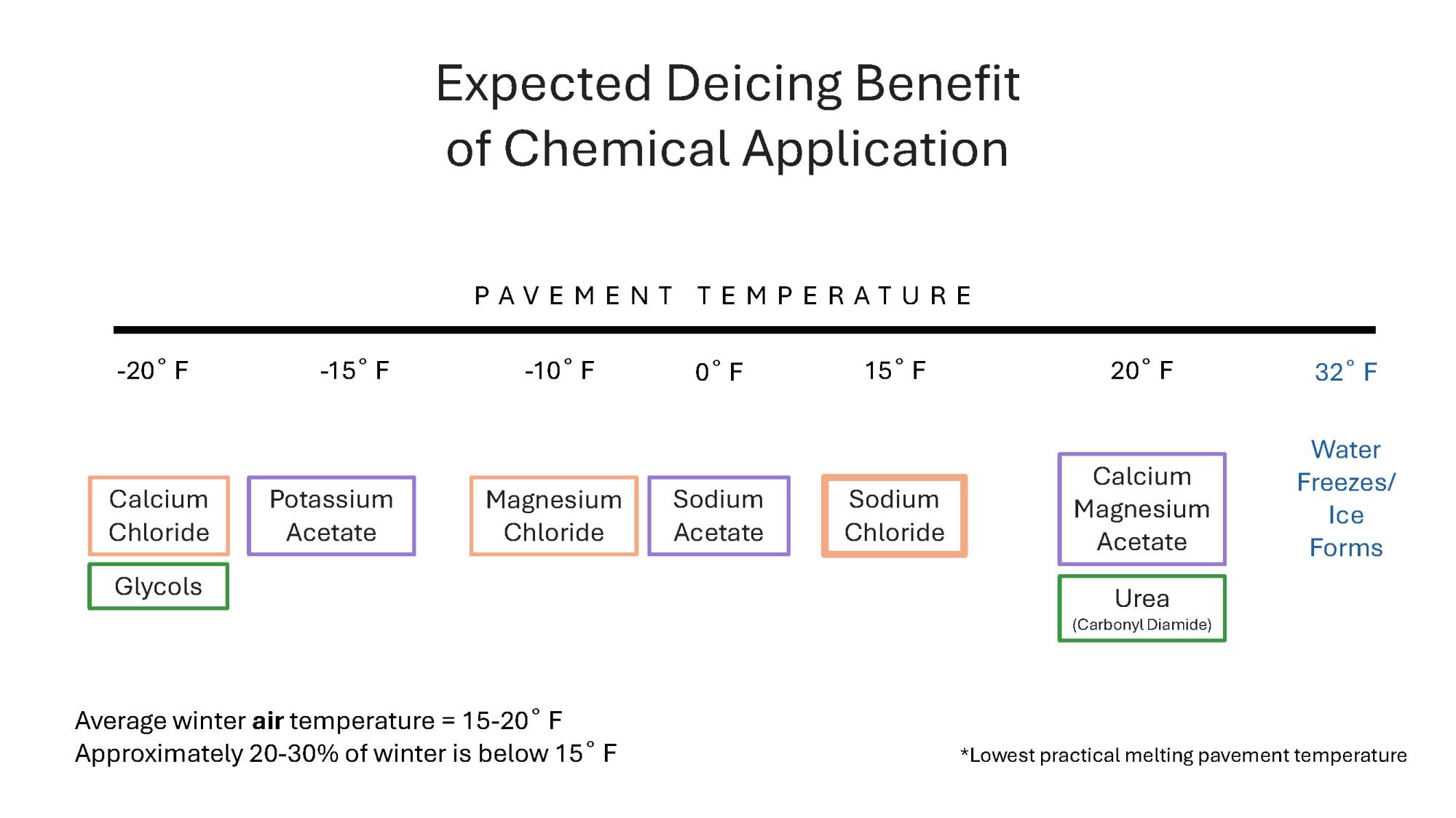
Select the right products. Salt is much less effective at temperatures below 15 degrees Fahrenheit, so use sand for traction when it's too cold, or choose a different deicer.

Scatter your salt. Disperse salt evenly and avoid piles. Spread granules three inches apart for maximum benefit. More salt does not mean more melting.

Sweep up excess. Clean up leftover salt, sand and deicer to save and reuse as needed. This keeps it from entering our storm drains and local waters.
Salt contains sodium and chloride, chemicals that are harmful to both the natural and built environments in high concentrations. Once salt enters the water, there is no cost-effective way to remove it.

Salt travels into our lakes, streams, rivers and wetlands, putting our aquatic life at risk and endangering our freshwater resources.

It only takes one teaspoon of salt to permanently pollute five gallons of water.

Minnesota has 11,842 lakes and 92,000 miles of rivers and streams. Small amounts of chloride occur naturally in these waters, and many organisms need it to carry out basic functions of life. However, elevated levels can cause cells to lose water and become deprived of nutrients, ultimately killing fish, amphibians, plants and other aquatic organisms.

Read the label, and check for specific ingredients.

Sodium chloride is commonly known as rock salt and is the least expensive deicing product. It's hard on the environment and much less effective at temperatures less than 15°F.

Calcium chloride is effective at temperatures down to -20°F and is less harmful to vegetation.

Calcium Magnesium Acetate is a salt-free product that works down to 20°F and is safer for vegetation and concrete surfaces.

There are no labeling laws when it comes to deicers, so take everything on the label "with a grain of salt."

chart explaining when certain chemicals will work based on pavement temperature

Contact Us

City of Rochester

201 4th Street SE
Rochester, MN 55904

PHONE: 507-328-2311
FAX: 507-328-2901

View Contact Information by Department

Connect with City Services

Whether you have a question, need to report a concern or aren’t sure which department to contact, 311 connects you with the right team quickly and efficiently.